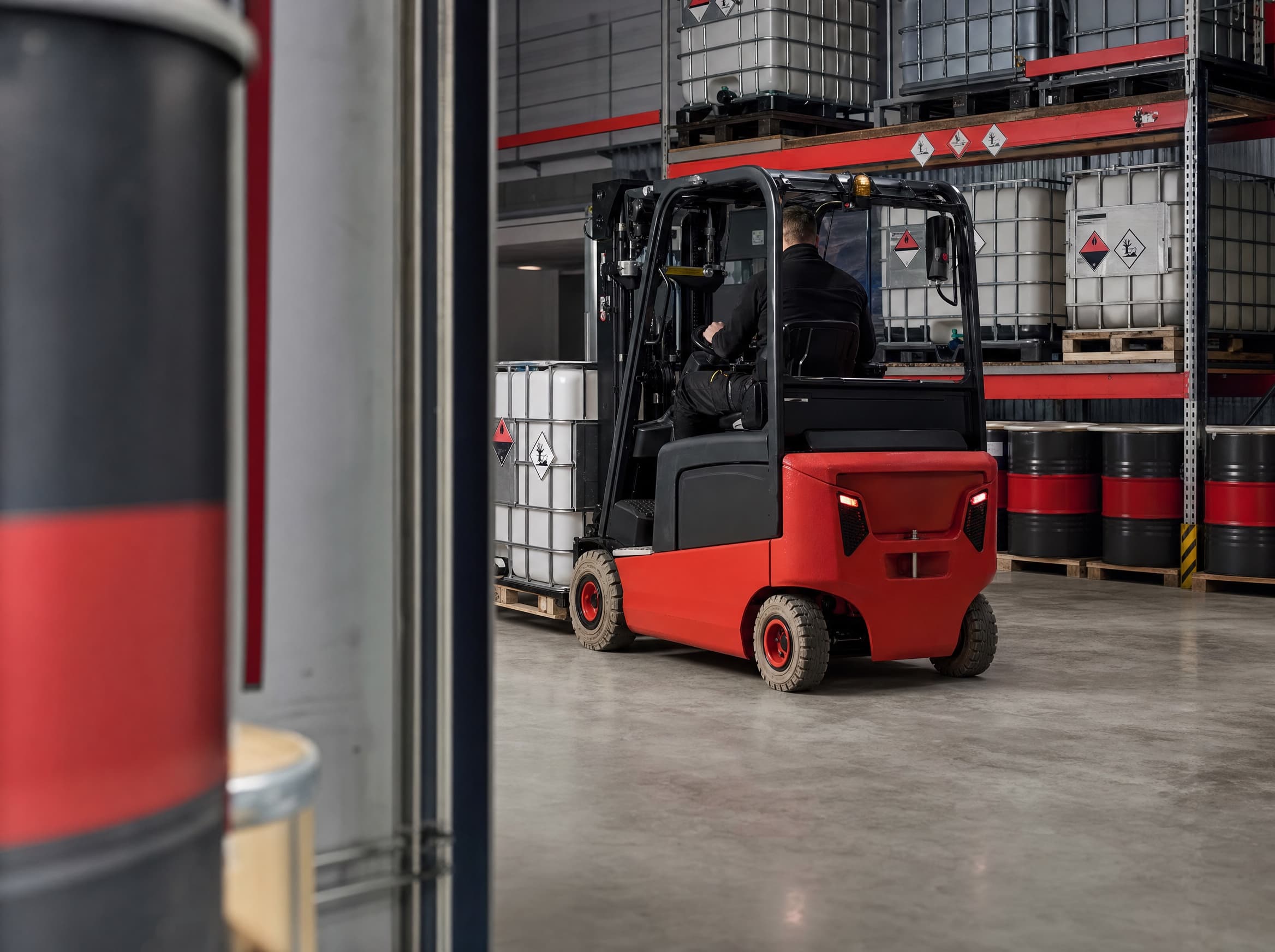
Hazardous materials, glass, hand-carried and bulky goods, protective equipment: PROWERB runs a dedicated warehouse zone for each of these product categories — at the Kleve site, within an infrastructure of more than 55,000 group-wide pallet spaces, booked in real time in our own ERP/WMS. Glass dispatch and umbrella dispatch are standard services here, not special cases.
Since 1979 · more than 2M shipments/year · ISO 9001 & 14001 · EcoVadis Silver
Acceptance review needs a product description, quantities, dimensions, weight, packaging and, for hazardous substances, relevant safety data and classifications. These determine the agreed storage area, permitted quantity, protective measures and dispatch route. A product category alone is not an acceptance commitment.
Five steps, one principle: special goods run through the same system depth as any standard item — just in the zone that fits them.
Before acceptance, dimensions, weight, breakage risk and required safety data are checked. Storage and handling follow product-specific approval; a larger takeover incorporates this into the seven-phase overall plan.
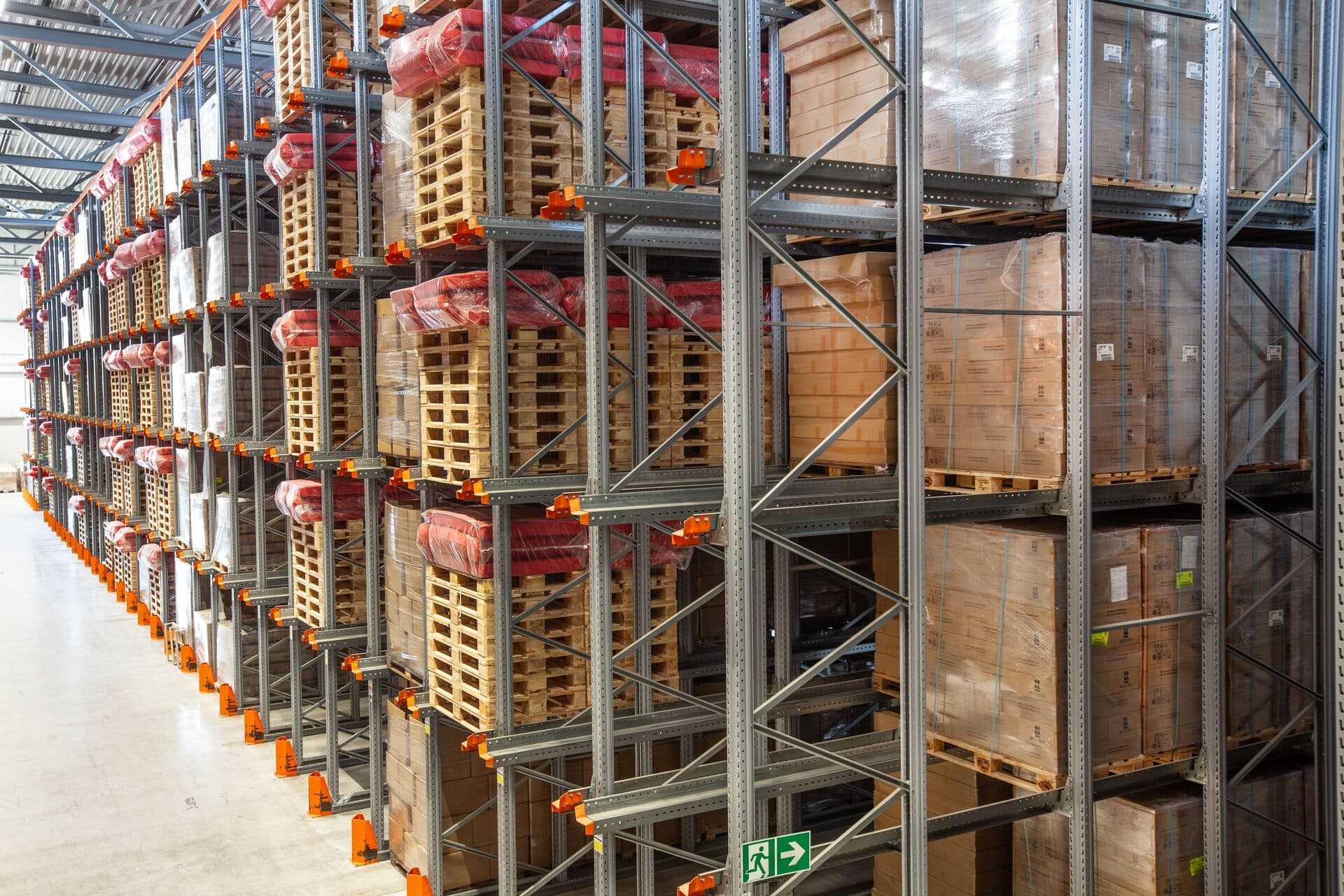
Hazardous materials, glass, hand-carried and bulky goods, and protective equipment go into dedicated warehouse zones — alongside the zones for high-runners and slow-movers. Each zone with the handling the goods require.
The special zones are also managed in our own ERP/WMS: PROWERB CORE, RFID-capable, gapless real-time booking. One inventory across all product categories — visible in the Operations Cockpit, around the clock.
Picking and packing follow product suitability and agreed protection requirements. General robotics coverage does not approve special goods. Final inspection checks the intended dispatch preparation.
Glass dispatch, umbrella dispatch, bulky goods: distribution across B2B, B2C and D2C — from the fan shop through the point of sale to the end customer. We resolve transport deviations and non-receipt in your brand's name until the case is closed.
The group has more than 55,000 pallet positions. Acceptance of special goods in a particular area is checked per product. The general robotics SKU coverage describes the automated range, not the suitability of every hazardous, glass or bulky item.
Two accounts show how special product categories run in ongoing operations at PROWERB — not as a project, but week after week.
The zone logic is part of an end-to-end fulfillment operation — from goods receipt to exception handling.
Hazardous materials, glass, hand-carried and bulky goods, and protective equipment — each in its own zone with matching handling and dedicated inventory management. Alongside that, separate zones for high-runners and slow-movers.
Yes. That's exactly what the zone logic is built for: an assortment with a few hazardous-materials items stays one account, one inventory, one report. We clarify item classification during onboarding via master data.
Glass dispatch is part of ongoing operations — for Coca-Cola we dispatch glasses for retail and hospitality. Distribution generally runs across B2B, B2C and D2C, and every shipment goes through final inspection before dispatch.
Anything that doesn't fit a standard parcel size — the classic case in a promotional-products assortment is the umbrella. Hand-carried and bulky goods have their own storage zone; the dispatch path is set per item.
Yes. For flaschenpost, goods handling includes alcoholic beverages — including kitting of product add-ons, assembly of mixed-drink crates and distribution via the central warehouse.
Describe the product categories — dimensions, quantities, classifications. We'll respond with a concrete storage concept: zones, handling, dispatch path.