Procurement, finishing, kitting & assembly and dispatch of promotional products count among a brand's purchased goods and services — and therefore fall into its Scope 3 balance. PROWERB operates actively climate-positive: the operation's CO₂ balance is negative. That's not a campaign, it's a figure from the ongoing operations of a family business that has manufactured and shipped from Kleve since 1979.
Read the Sustainability Report 2025 (energy comparison) →Read on →Since 1979 · family business in its second generation since 2014 · ISO 9001 & 14001 · EcoVadis Silver
Promotional products, finishing, kitting and transport can contribute to a brand’s Scope 3 inventory. Classification depends on your reporting boundary and methodology. A useful assessment requires information about materials, quantities, transport and reuse. We agree which operating data can be provided and where additional information is needed.
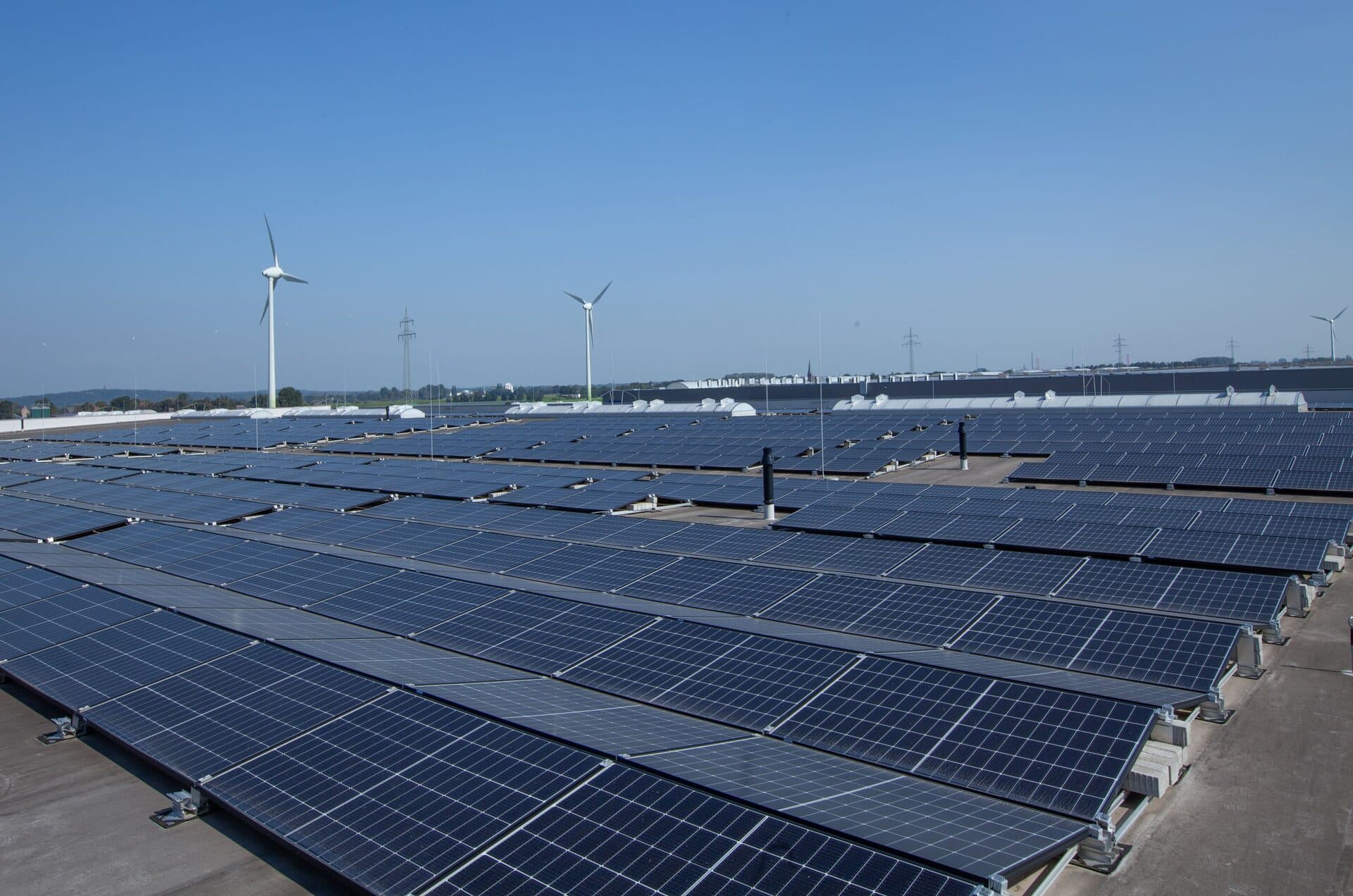
Approved evidence includes ISO 9001, ISO 14001 and EcoVadis Silver. The 2025 Sustainability Report compares 916,334 kWh of electricity and gas purchases with 926,816 kWh of PV generation. The difference is 10,482 kWh; 60,940 kWh of PV electricity was used on site and 865,876 kWh supplied to the public grid. This site comparison describes the operation’s energy data. Assessing an individual customer service requires its own quantities and processes.
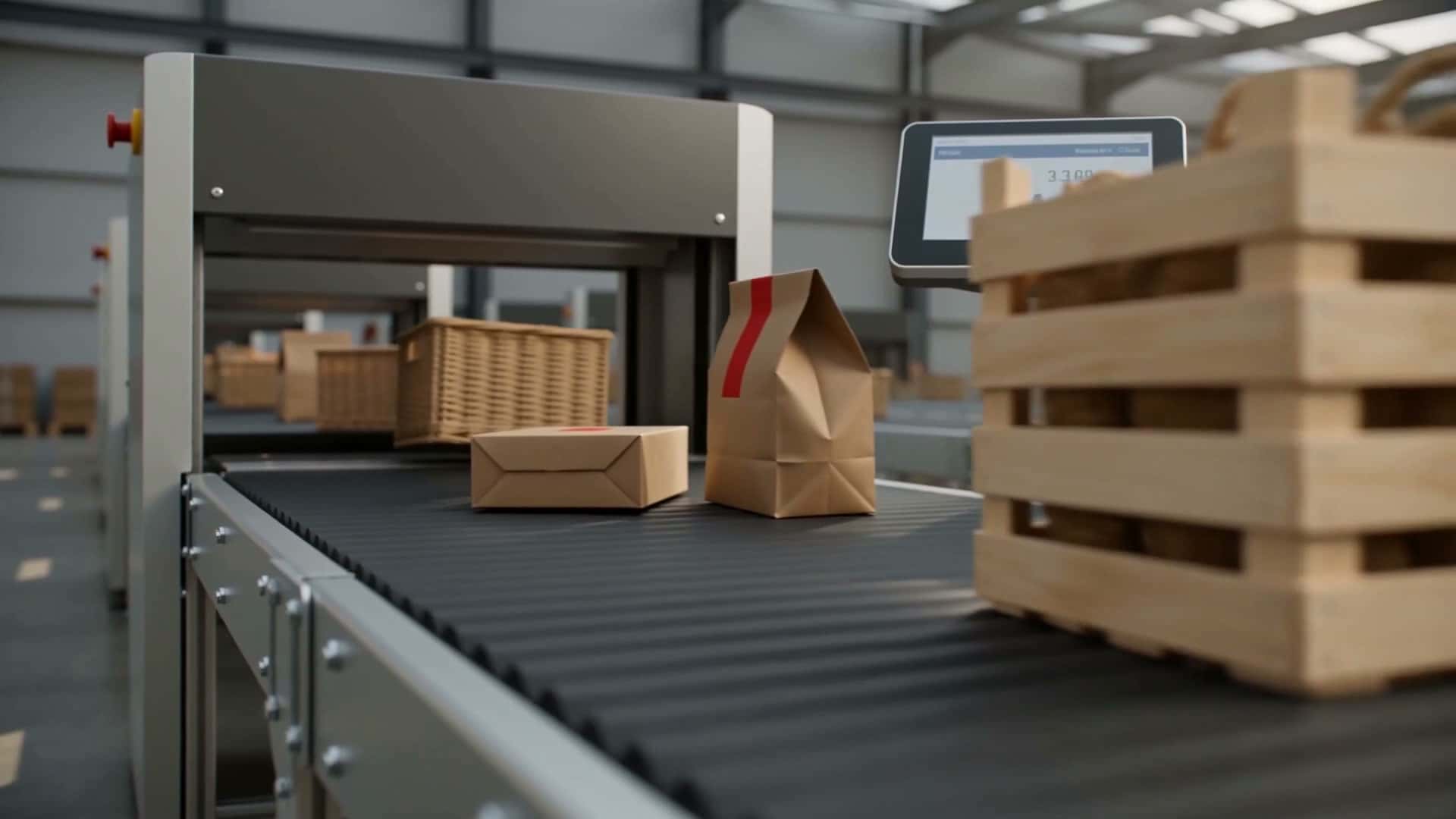 Process visualization
Energy comparison · Report 2025
Energy purchases916,334 kWh
PV generation926,816 kWh
10,482 kWh above purchases
PV use926,816 kWh
This view shows the kWh values from the 2025 Sustainability Report. It describes the site-level comparison, not a blanket balance for individual customer deliveries.
The negative CO₂ balance describes the operation as a whole. The 2025 report sets out the associated energy comparison: 916,334 kWh of electricity and gas purchases versus 926,816 kWh of PV generation; 60,940 kWh were used on site and 865,876 kWh fed into the grid. These site values are not a blanket negative emissions factor for every customer delivery.
Purchased goods, finishing and transport can fall into different Scope 3 categories. Classification and calculation follow your reporting methodology. A provider’s overall footprint cannot simply be applied as a factor to individual shipments. We agree the available material, quantity and operating data with your team.
We don't claim certificates we don't hold. What's documented: the negative CO₂ balance as an operating metric, certified quality management, compliance standards, and recurring supplier assessment and monitoring. Where the line between proof and intent runs is stated openly on this page.
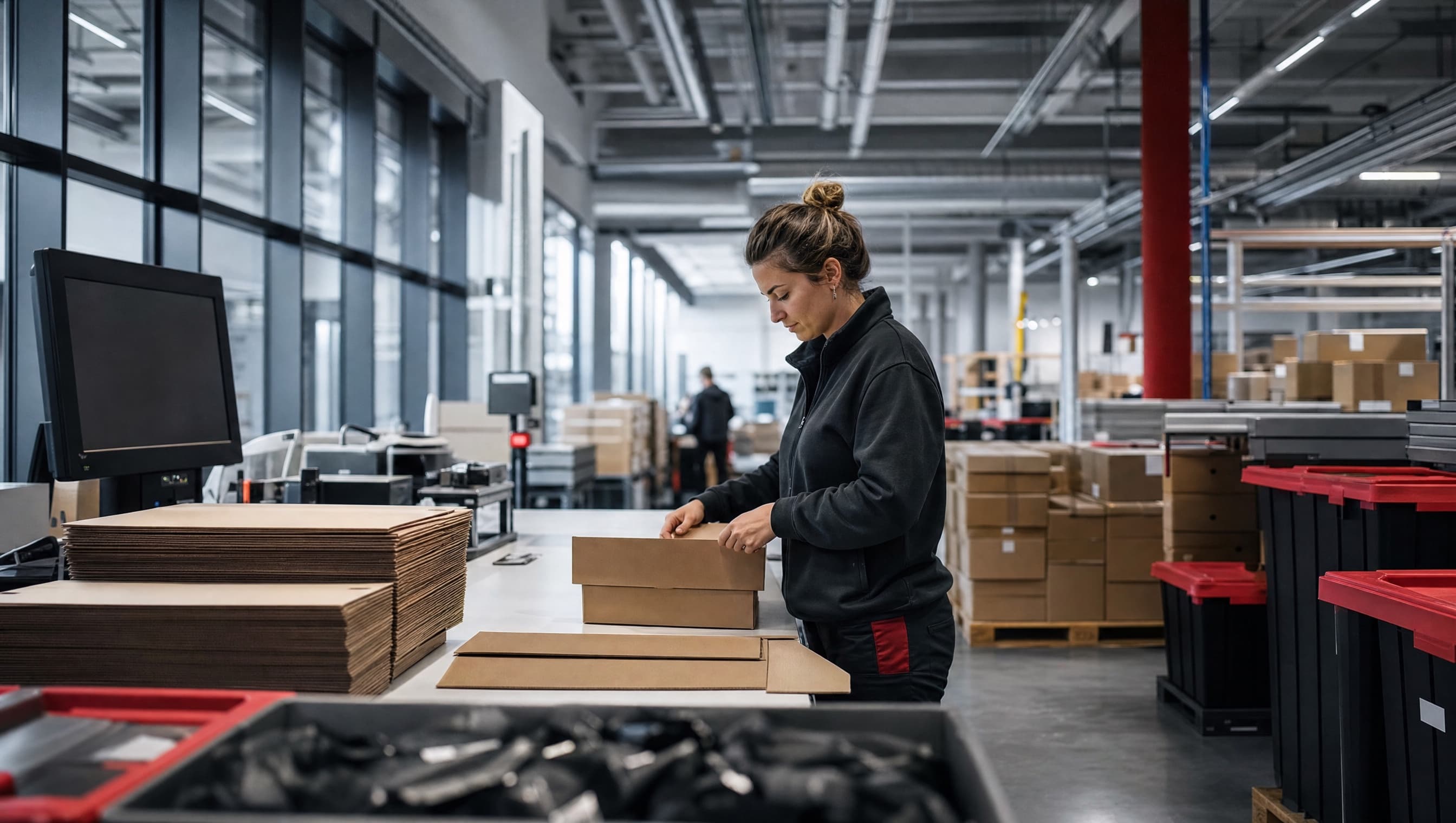
Through short distances and reuse: procurement, finishing, kitting & assembly, warehousing and dispatch all operate under one roof in Kleve — every stage that isn't outsourced is a transport leg that never happens. Event equipment stays in circulation through return flow, refurbishment and system-supported reverse logistics instead of being produced new for every campaign.
With named ownership instead of declarations of intent: a whistleblower portal, an external data protection officer, family-run in its second generation, low staff turnover. Plus long-term investment in its sites — the 2022 new building in Kleve and the 2025 promotional-products hub in Dortmund.
A short briefing is enough for concrete requirements. We can provide operational data such as inventory trends, shipment data, track & trace and agreed extracts from ongoing operations. Assessment and reporting remain with you and your auditors; our sustainability and Scope 3 service page explains how to classify the line item.
How promotional-products procurement, kitting & assembly and dispatch feed into your Scope 3 balance — and what a climate-positive operator changes about it — is detailed on the service page. A short briefing is enough for concrete requirements.
