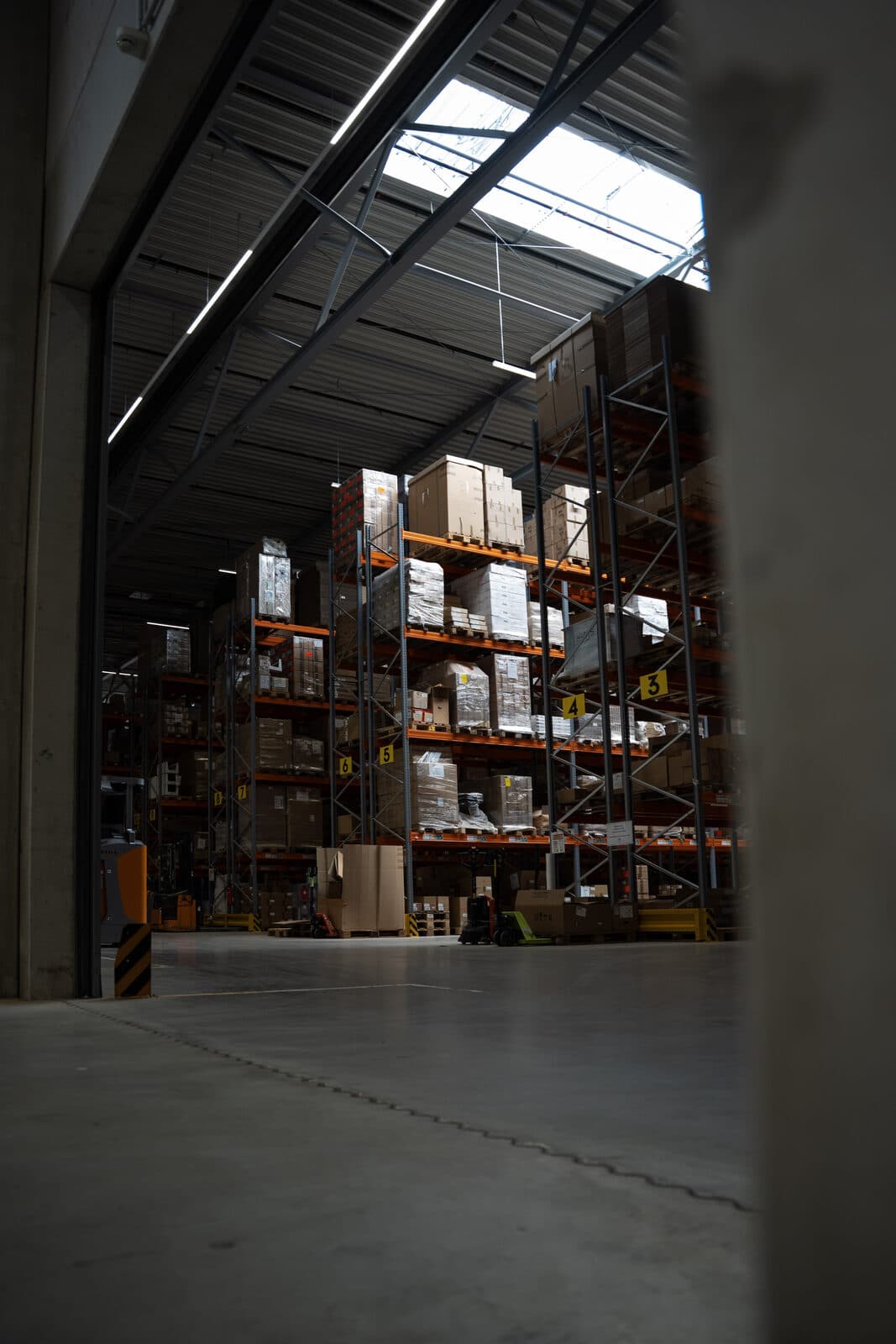
How can promotional goods be prepared for quick-commerce distribution? This example workflow connects briefing, kitting and packing with handoff at agreed warehouses or locations. The range, quantities and timing are agreed for each project.
Since 1979 · more than 55,000 pallet slots · ISO 9001 & 14001 · EcoVadis Silver

The regular range and promotional goods have different schedules and packing requirements. Products, inserts, packaging and destinations need to fit the campaign. A dedicated project plan sets out when goods arrive and when finished sets should be handed over.
PROWERB can prepare and pack product add-ons or mixed promotional sets against an agreed bill of materials and make them ready for handoff. The brief defines goods handling, checks and responsibilities.
Briefing, goods receipt, kitting and handoff follow an agreed plan. Shipping lists and status updates connect each step.
Record products, the bill of materials, destinations, handoff time and responsible contacts.
Agree packing instructions, inserts and checks; define how to resolve discrepancies.
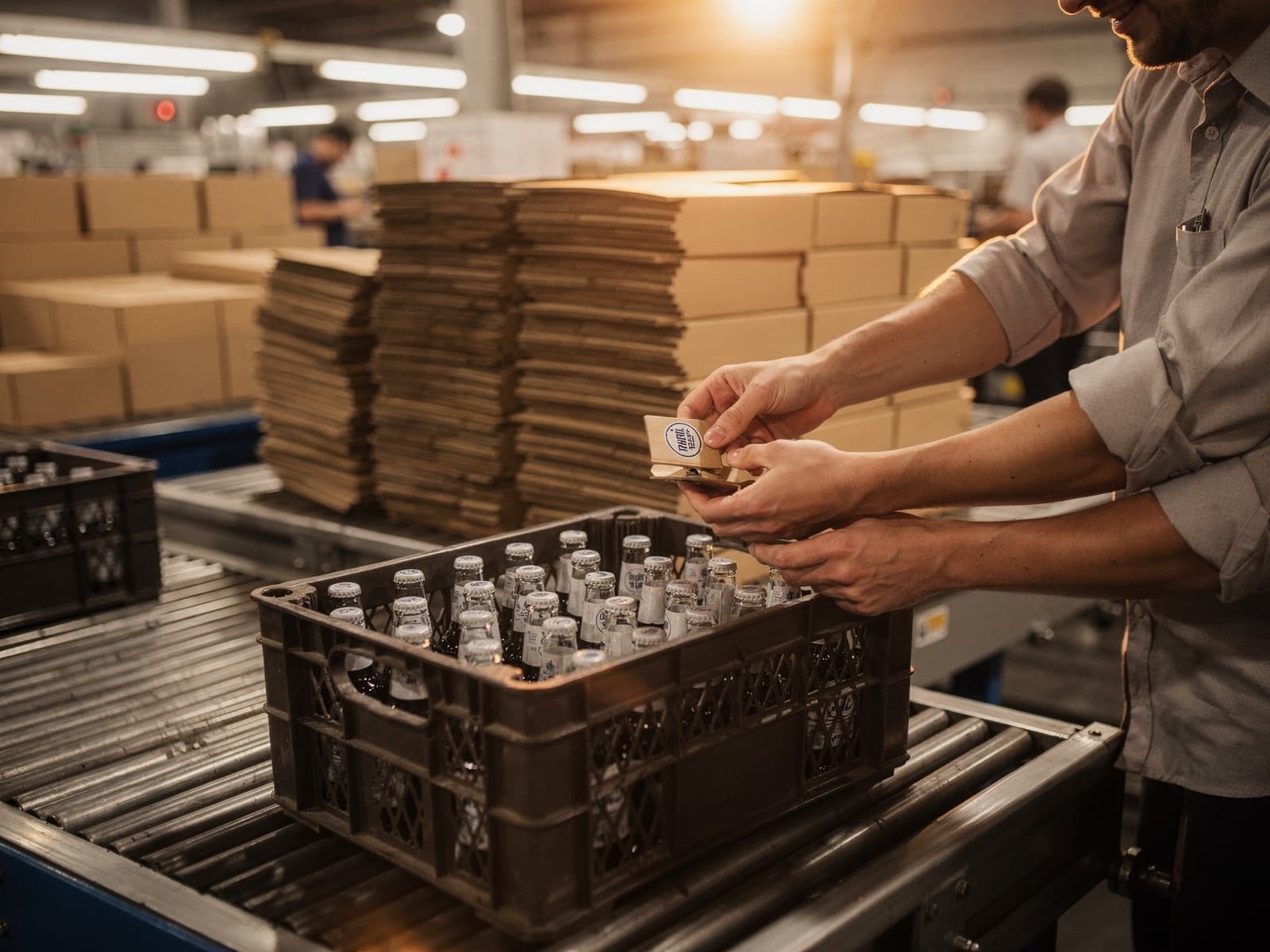
Check and prepare product add-ons and packaging against the bill of materials. Resolve missing components before handoff.
Hand finished promotional goods over at the planned destinations with the shipping list and report discrepancies to the responsible contact.
In this example, products and inserts are packed against the bill of materials and linked to the intended location in the shipping list. A missing component is clarified before handoff. The finished kit can then be handed to the agreed warehouse or location with the correct destination assignment and a defined route for questions.

Products, inserts, packing instructions and recipients belong together before packing starts. Everyone involved should know what to prepare and where to hand it over.
Whether particular goods can be handled is assessed for the individual project using the item, packaging, storage and shipping requirements and agreed responsibilities.
Agreed shipping lists, handoff points, status updates and dedicated contacts provide an overview. The brief sets out the appropriate data flows.
Campaign work is planned with its own schedule and defined handoffs. We agree products, packing requirements, destinations and available time windows with you.
We assess quantities and changeover needs using the bill of materials, schedule, packaging, checks and destinations. These inputs form a project plan with agreed capacity.
Cartons and packing instructions are part of the bill of materials. Whether design or sourcing is included is agreed separately by project scope and responsibility.
Finished campaign goods reach intended destinations through the agreed dispatch and handoff route. Recipients, dates and feedback are recorded in the brief.
This example describes a possible project configuration, not a named customer mandate. It covers campaign materials up to the agreed handoff to warehouses or locations. Special goods-handling conditions, individual consumer deliveries and further services are assessed in advance against the product range and distribution channels.
Share assortment, bill of materials, period, destinations and handoff route. These inputs make it possible to discuss process steps and limits for a campaign.